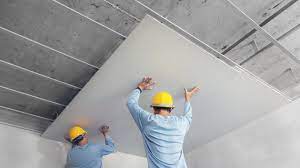
Gypsum board, also known as drywall or plasterboard, is a widely used building material in modern construction and interior design. It consists of a core of gypsum, sandwiched between two layers of paper, and offers numerous advantages, such as ease of installation, fire resistance, and soundproofing capabilities. In this blog post, we will explore the various types of gypsum boards available in the market, their unique characteristics, and their specific applications. As a Gypsum Board supplier and dealer in Delhi, understanding the different types of gypsum board can help you make informed decisions while catering to the diverse needs of your customers.
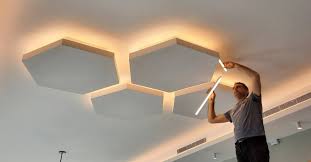
Regular Gypsum Board
Regular gypsum board is the most common type and is ideal for most interior walls and ceilings. It features a gypsum core encased in thick paper on both sides. It is lightweight, easy to handle, and has good fire resistance properties. Regular gypsum board is available in various thicknesses, typically ranging from 1/4 inch to 3/4 inch, allowing for flexibility in application. This type of gypsum board is suitable for residential and commercial construction, providing a smooth surface that can be painted or covered with wallpaper.
Moisture-Resistant Gypsum Board
Moisture-resistant gypsum board, also known as green board or MR board, is specially designed for areas with high humidity levels, such as bathrooms, kitchens, and basements. It has a treated core that repels moisture, preventing the growth of mold and mildew. The green-colored paper on the face and brown paper on the back distinguish this type of gypsum board. While it offers resistance to moisture, it should not be directly exposed to water. Moisture-resistant gypsum board is an excellent choice for maintaining a durable and mold-free interior in moisture-prone areas.
Fire-Resistant Gypsum Board
Fire-resistant gypsum board, commonly referred to as Type X board, is manufactured with added glass fibers and other fire-resistant materials. It offers enhanced fire resistance, making it suitable for areas where fire protection is critical, such as stairwells, corridors, and walls near heating appliances. Fire-resistant gypsum board has a thicker core than regular gypsum board, providing prolonged fire protection during emergencies. It is available in various thicknesses and can be part of a comprehensive fire protection strategy in buildings.
Soundproof Gypsum Board
Soundproof gypsum board, also known as acoustic gypsum board, is designed to reduce sound transmission between rooms or spaces. It features a higher-density core that effectively absorbs sound waves, minimizing noise transfer. This type of gypsum board is commonly used in recording studios, home theaters, conference rooms, and other spaces where noise control is essential. Soundproof gypsum board is available in varying thicknesses, and its application can significantly enhance acoustic performance.
Impact-Resistant Gypsum Board
Impact-resistant gypsum board, also called abuse-resistant gypsum board, is engineered to withstand physical impacts and resist damage caused by heavy objects or furniture. It has a dense core and is covered with durable paper, offering enhanced durability and resistance to dents and scratches. This type of gypsum board is commonly used in high-traffic areas such as schools, hospitals, and commercial spaces, where the risk of damage is higher.
Mold-Resistant Gypsum Board
Mold-resistant gypsum board is specifically designed to inhibit the growth of mold and mildew, making it suitable for areas prone to moisture and humidity. It features a moisture-resistant core and a specially treated paper surface that discourages mold growth. This type of gypsum board is commonly used in basements, bathrooms, and other areas where moisture control is essential for maintaining a healthy indoor environment.
Foil-Backed Gypsum Board
Foil-backed gypsum board, also known as vapor-resistant gypsum board, has a layer of aluminum foil on the back surface, acting as a vapor barrier. It is used in areas with high moisture levels, preventing water vapor from seeping through the walls and causing damage. Foil-backed gypsum board is commonly used in crawl spaces, attics, and other areas where moisture intrusion is a concern.
Conclusion
Understanding the different types of gypsum boards and their specific uses is crucial for Gypsum Board supplier in Delhi. Each type of gypsum board serves a distinct purpose, catering to various construction and interior design requirements. Regular gypsum board is ideal for standard applications, while moisture-resistant, fire-resistant, soundproof, impact-resistant, mold-resistant, and foil-backed gypsum boards offer specialized solutions for specific environments. As a Gypsum Board supplier and dealer in Delhi, having in-depth knowledge of these gypsum board variants can help you assist your customers better, providing them with the right type of gypsum board to meet their construction needs and preferences.

 Your Home, Your Signature Style